At most agencies, the people who win your project are not the people who build it. You are sold by a partner, handed to an account manager, and your product is built by whoever is on the bench that month. Every question you ask travels through two people before it reaches someone who can answer it, and every answer travels back the same way.
We work the opposite way, and it is deliberate rather than a limitation. The person who scopes your project is the person who builds it. When you ask why a screen behaves a certain way, you are asking the engineer who wrote it. When you want to change direction in week three, that conversation takes one message, not a change-request meeting and a revised statement of work.
That model only works at a deliberate size, so we take on a small number of engagements at a time. It means we are not the right studio for every project — but for the ones we take, you get senior attention for the whole build rather than for the pitch.
What we are genuinely good at
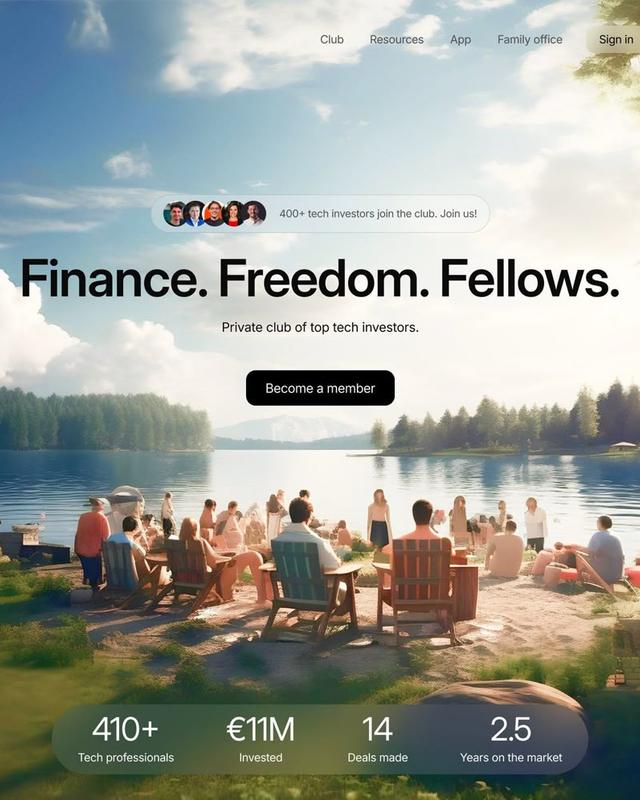
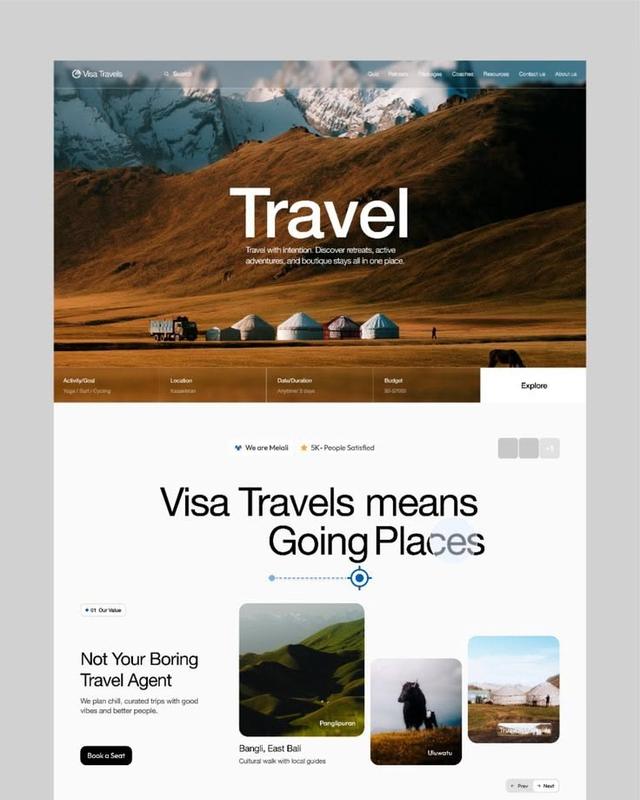
Products where the intelligence is the product, not a feature bolted on afterwards: AI-driven matching and recommendation, systems that qualify and route leads without a human waiting by a phone, and mobile apps where the experience has to feel native rather than like a website in a shell. Our shipped work clusters here for a reason — ZipTrip matching travel itineraries, CrewIQ matching workers to shifts, Unbroken Investing matching investors to deals. They are different industries running variations of the same hard problem.
What we will tell you we are not right for
If you need a five-page brochure site, a template will serve you better and cost a fraction of what we would charge — we will say so rather than take the work. If you need a team of twenty engineers embedded for a year, you need a staffing partner, not a studio. And if your project depends on a technology we have not shipped in production, we will tell you that before you sign rather than learn it on your budget.
We would rather lose a project at the scoping call than deliver one badly. It is a slower way to grow, and it is the reason the clients we do take on tend to come back for the next build.